
When the final whistle blows on the 2026 World Cup, 48 nations will have spent a summer chasing a single trophy across three countries and sixteen cities. It is a scale the tournament's founders could scarcely have imagined. To understand why the 2026 edition feels so different, it helps to trace the long arc that brought us here.
Modest beginnings
The inaugural World Cup, staged in Uruguay in 1930, drew just thirteen teams. Travel by ship made the trip prohibitive for many European sides, and several of the continent's strongest nations stayed home. The hosts won, beating Argentina in the final, and a tradition was born — one that would survive a world war, decades of political upheaval and the relentless growth of football itself.
Through the 1930s and the post-war years the field hovered around sixteen teams. The format was experimental and sometimes chaotic, but the tournament's pull was undeniable. By the time television arrived, the World Cup had become a fixture of global life every four years.
The age of expansion
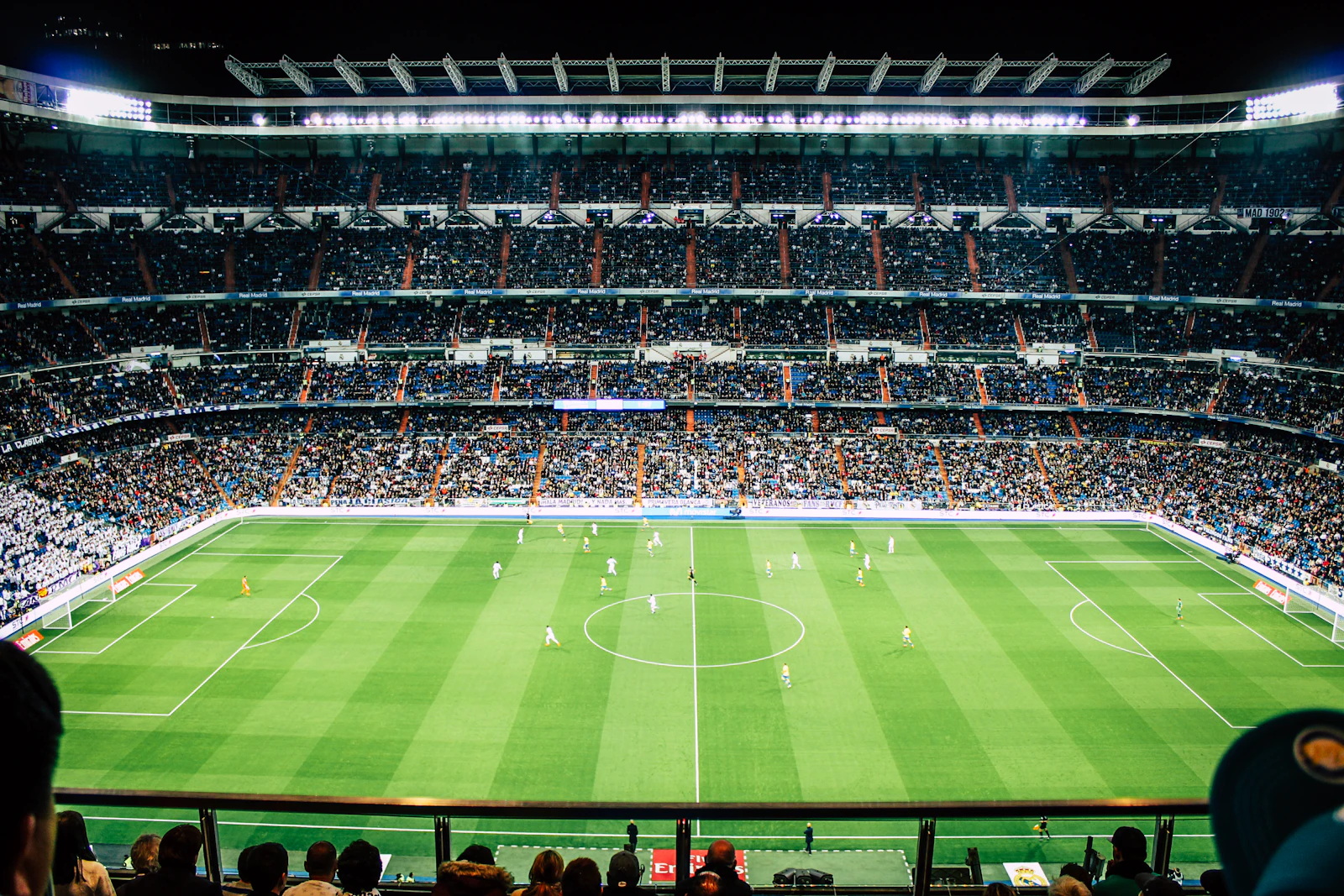
The first great leap came in 1982, when the field grew from sixteen to twenty-four teams. It opened the door for nations that had rarely reached the finals and broadened the tournament's geography well beyond its European and South American heartlands. Suddenly sides from Africa, Asia and the Americas had a realistic path to the world stage.
An even bigger change followed in 1998, when the tournament settled into the 32-team format that defined a generation of fans. Eight groups of four, a clean knockout bracket from the round of 16 — it was elegant, familiar and, for many, the platonic ideal of a World Cup. Teams such as Croatia announced themselves to the world in this era, while established forces like Germany, Italy and France traded the trophy.
Moments that built the legend
Numbers tell only part of the story. The World Cup's grip comes from its moments: the underdog runs, the late goals, the heartbreak of a missed penalty. Greece's improbable rise on the continental stage, Spain's tiki-taka peak, the Netherlands' total-football sides that dazzled without ever lifting the trophy — these are the threads that bind generations of supporters.
For travelling fans, the tournament is also a story of places. A World Cup is remembered not only for who won but for where it happened — the heat of a midday kick-off, the roar of a host city, the unlikely friendships struck in a queue outside the ground. That human texture is exactly what 2026 promises on a continental scale.

Why 2026 changes everything
The 2026 World Cup is the boldest expansion yet: 48 teams, twelve groups, 104 matches and three host nations sharing the load. Canada, the United States and Mexico will stage the event together, with Toronto and Vancouver carrying Canada's share. For the first time, more nations than ever — including many making their debut — get a seat at the table.
Critics worry the larger field dilutes quality; supporters counter that it spreads the game's reach and gives smaller footballing nations a stage they have long deserved. Whatever your view, the maths is striking. A tournament that began with thirteen teams reaching one country by boat now welcomes forty-eight across a continent, watched by billions.
A century in milestones
The first World Cup in Uruguay draws 13 teams; the hosts lift the inaugural trophy.
The field expands to 24 teams, widening the tournament's global reach.
The 32-team, eight-group format arrives and becomes the modern standard.
A 48-team World Cup arrives in Canada, the USA and Mexico — the largest ever.
What to expect on the ground
For fans planning a trip, the lesson of this history is simple: the World Cup keeps getting bigger, but its heart is unchanged. The 2026 edition will be sprawling and logistically demanding, yet the rewards are the same as they were in 1930 — the shared thrill of watching the best in the world, in person, surrounded by people who care as much as you do.
Pick your city, learn the format, travel kindly and soak it in. Whether you come to follow one of the debutants, cheer for Portugal, or simply witness Canada host its first men's World Cup matches, you are part of a story almost a hundred years in the making.